
Photo credit: Randy Johnson
Guitarist Kim Thayil on Soundgarden’s Legacy and His Roots as a Son of Immigrants
.png)
In his new memoir, A Screaming Life: Into the Superunknown with Soundgarden and Beyond, guitarist and founding member Kim Thayil recounts his early years in Park Forest, IL, Soundgarden’s foundational role in the birth of grunge in Seattle, and the band’s rise to stardom.
A Screaming Life is a thoughtful and often funny read, and Thayil doesn’t shy away from sharing the negatives that accompanied fame, as well as the deep sorrow he felt over the passing of singer Chris Cornell.
Soundgarden were pioneers not just in their sound, but by the simple fact that two out of three of the founding members were Asian American children of immigrants, something that certainly wasn’t common in the music scene at the time. Thayil writes about growing up in an immigrant household with parents from Kerala, India, and knowing early on that his decision to be a musician would clash with his parents’ expectations. He also looks back on his friendship and longtime creative collaboration with former bandmate and bassist Hiro Yamamoto. Together, they navigated a homogenous music industry and challenged expectations of who can be rock musicians.
I chatted with Thayil about being Asian American in the music scene, how young people are discovering Soundgarden’s music today, and plans for a final Soundgarden album.
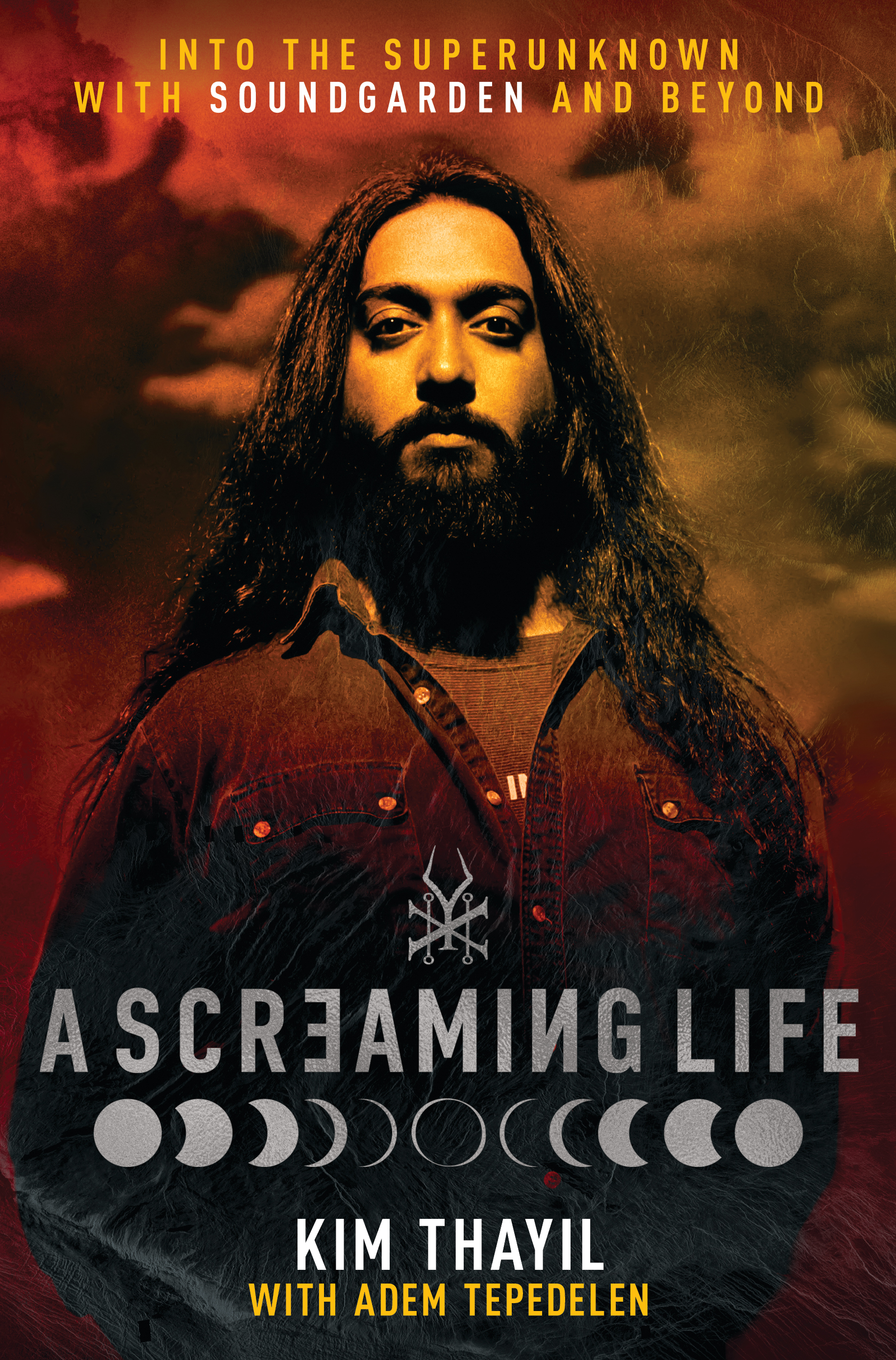
Your book, A Screaming Life, is out June 9th. What made you want to tell your story now?
When I was solicited by the co-author Adem Tepedelen, I considered the project, but I was focused a little bit more on music and some other business and legal issues. Then the pandemic happened, and things slowed down and available time opened up. But unfortunately Adem resides in Vancouver, British Columbia, which is geographically proximal to where we're at, but during the pandemic they closed the border.
So Adem and I got together and we talked over the phone or Zoom. What I would've preferred, since he had previously written a book on wine criticism and he wrote a book on strange and unique beers, was that we get together in some booth in a pub or tavern across from each other, drinking weird beer. I thought that would loosen my tongue. Turns out I didn't need beer to do that.
In the book, you talk about how rock, metal and punk were (and still are) very white. What was it like for you and Hiro as Asian Americans in the scene?
I think at the time we understood that although there is some division within every aspect of culture or subculture, that generally within the punk rock/new wave sort of scene and underground, it was much more open and tolerant racially, ethnically, and genderwise. So we felt that was perfect, that's where we might fit in. And this is similar to the way we grew up and the bands that we've all participated in. The punk rock, the new wave scene—it was the music we liked anyway. Perhaps we liked it partially because it was a little bit more progressive minded artistically, culturally, and politically.
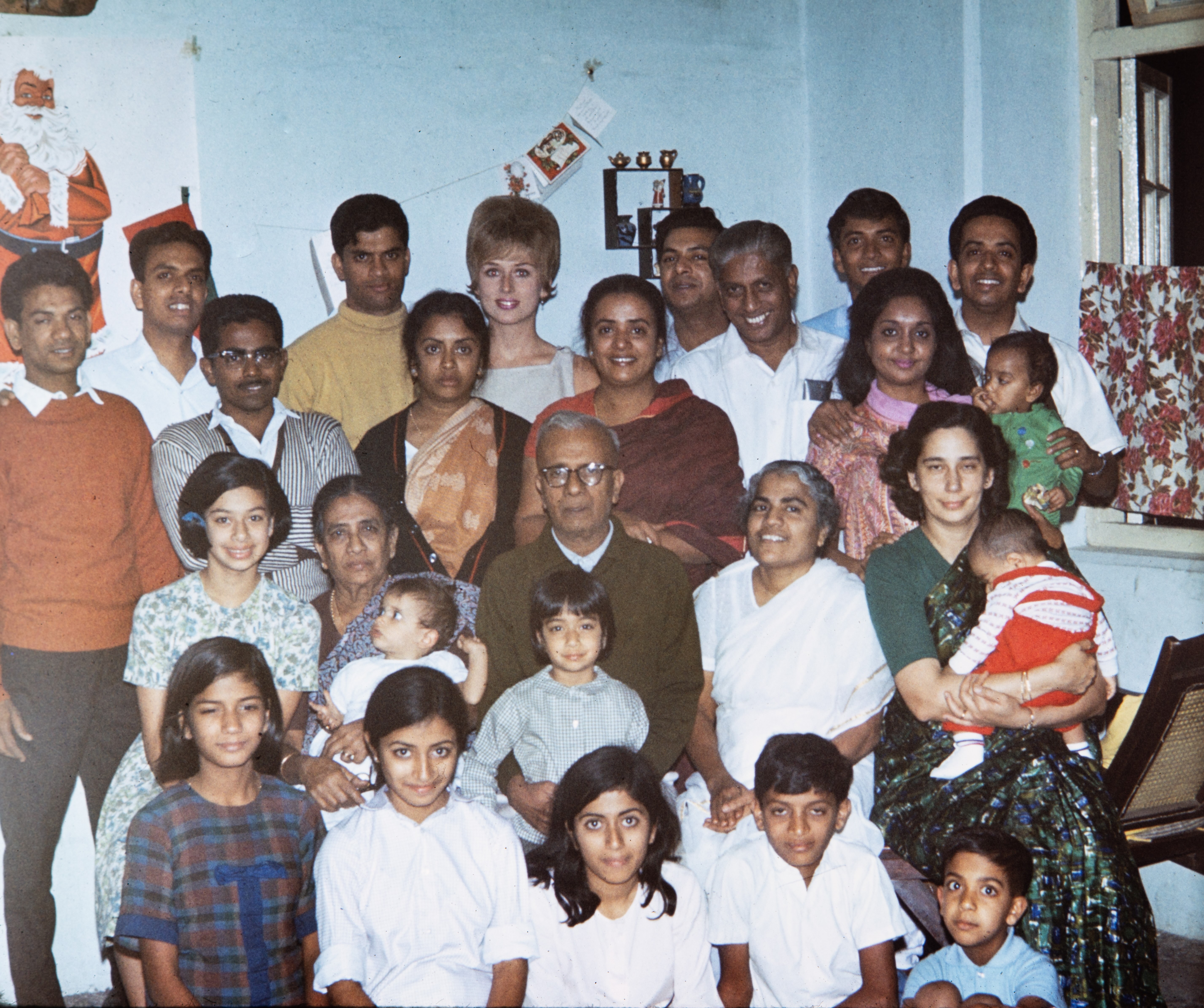
As the son of immigrants, you chose a really unconventional path. How do you feel about the pressure to, as you put it in the book, have a “Plan A”?
I don't know if it's the same now—I think there's a different context for growing up descended from immigrants. Because many of the kids from the next generation are growing up with both their parents being American, although of a different ethnic origin, but they're American. So for me, it was a little bit different because my experience in school with my peers and with TV and radio is very different from what my parents had grown up with. They had American radio and TV, but they're going to file it within the context of how they grew up in India. Plus it's not just the gap in national identity and experience, but also of age. I think that being a kid growing up in a time of cartoons, color TV, TV dinners, and rock and roll is going to be very different from how my parents grew up, just as a matter of age.
You were inducted into the Asian Hall of Fame in 2023, and into the Rock and Roll Hall of Fame last year. How does that recognition coming at this time feel?
It probably indicates you've been doing it for a while and you're doing it well, I suppose, if you wanted to pat yourself on the back. But it also indicates that you're old—that you've been doing it for a long time. I think eventually if you're doing the same thing for a long period of time, someone's going to recognize, “Hey, that guy, he keeps doing that, so why don't we encourage him to stop by giving him an award?"
Speaking of age, you mentioned in the book that you've found a new generation of listeners discovering your music, like kids of Gen X. My daughters are 11—one of them plays the electric guitar too.
Oh, right on! That may be it—the reference point might be radio or likely their parents' record collection or the collections of musicians. Fortunately, we were the kind of band that drummers and guitarists would like, and so they might reference us, just like when I was growing up and learning how to play, people would say, “Check out this Led Zeppelin song or record, check out Jimi Hendrix, or check out Link Wray or this Beatles song.” It’s the same thing. So I expect that people are sharing material with each other to educate, turn on, or impress each other with their library of knowledge and shared experiences.
That library is much huger for kids these days than it was for us. And it must be really daunting for kids to have to peruse that library. So many titles, and the spectrum of genres and subgenres. I imagine with the internet you can have all kinds of little pocket subcultures.
And while you get your little subculture, you're missing out on the big cultural moments.
Yeah, it's either you conform to how your peers identify within culture so that they set a place for you at the table, or you find that little alley or corner where you feel most comfortable, and you can identify. And there's a lot of corners now. It's quite labyrinthine, so hopefully our kids with guidance will make the proper turns.
You were looking for the next Beatles, and meanwhile there was a whole culture of musical sharing and trading that had grown and provided for a demographic that wasn't being addressed. – Kim Thayil
At least now zines and physical media are coming back.
I suppose that simplifies things. We’re benefiting, at least in the music world, from a lot of talent that would never have seen the light of day in the 70s. There was only so much airtime on radio to promote what was promoted. So thankfully there was a network of fanzines and cassettes to help promote these bands, and then they could go on tour. The record industry and the music industry, which was continuing to search for the next Beatles, hadn't paid attention to what was going on during the late 70s and 80s in the independent music underground. And you started having metal and rap records selling platinum, and they're not on major labels. And then bam, there was a huge punk rock scene. And finally, Nirvana explodes.
And it was a surprise to many people, apparently, because it has been written about so many times. It was a surprise because you were looking for the next Beatles, and meanwhile there was a whole culture of musical sharing and trading that had grown and provided for a demographic that wasn't being addressed. I think the same thing happened to the Beastie Boys and eventually Pearl Jam, and obviously Soundgarden. I think we all benefited as well.
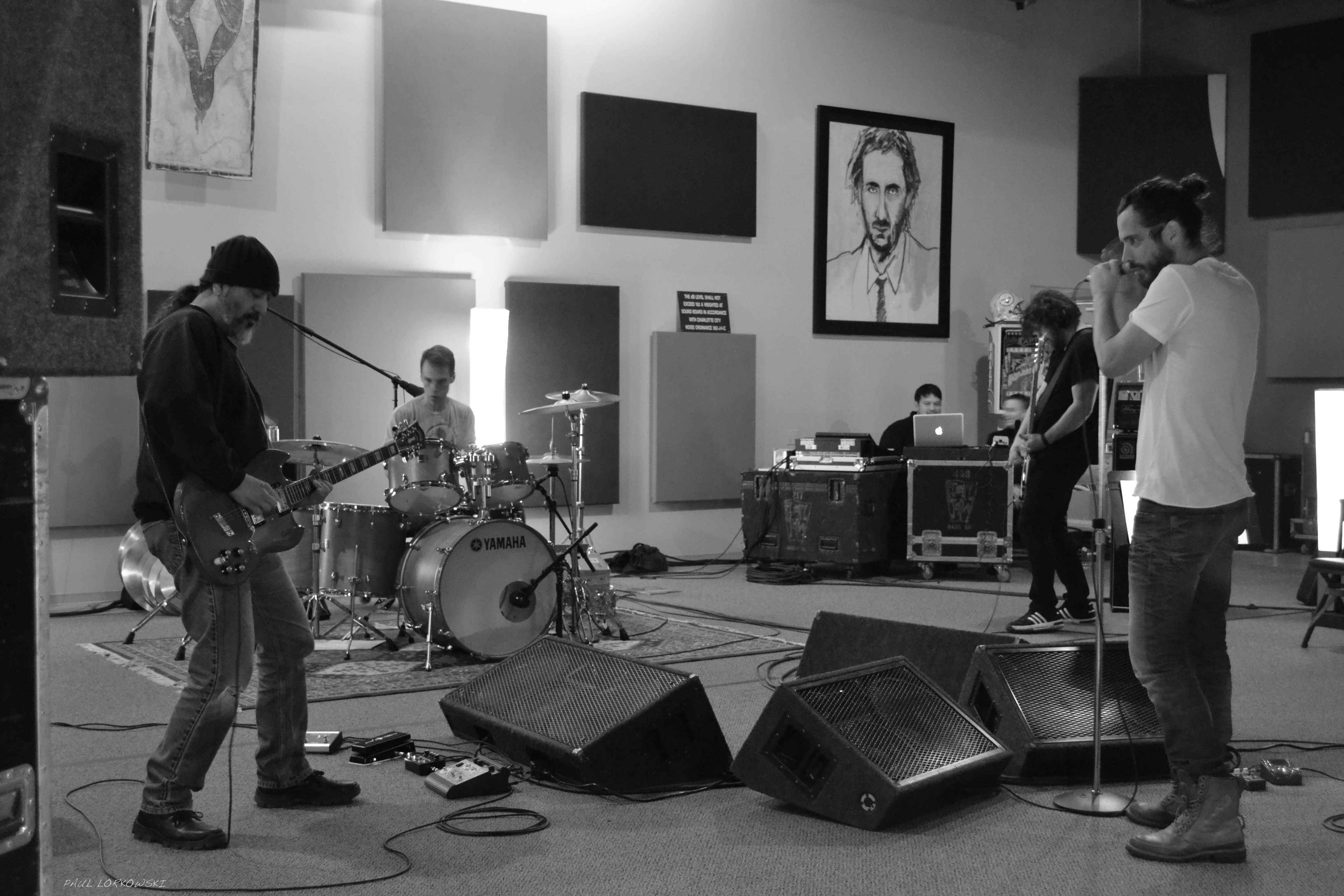
At the end of the book, you talk about releasing a final Soundgarden album using Chris's vocal tracks. Is that something you're working on now, and do you have any updates?
Yes and to be clear, this isn't some weird AI thing. This is something we were working on when he passed. We were writing songs and sharing them, and sharing demos. So we had vocal tracks. We also had some drum tracks, some guitar tracks of his, some rough guitar tracks of mine, rough bass tracks of Ben [Shepherd]. So we just had to complete it. That's basically what we're doing. But the completion process is impeded by the fact that Chris isn't there, so there's songs that can't be finished because there weren't vocals for them.
What we have to work with are the finished vocals, and then we can improve on the guitars and the bass. In many cases, Matt [Cameron] might want to keep the drums. He’s one of those guys that can get it right the first time. But we also have to look at the sounds. When you're talking about recording drums, you're talking about the room that is evoked—whether you want it to sound like you're in an airplane hangar, or in your living room, or on stage.
The recording process is kind of sideways and backwards. Usually one of the last things to record are the guitar solos and the vocals. But in this case, we have the vocals and we have to build things around that. But it’s going great. It's just the process is different. We don't have a record company which said, “Here's this much money and here's this much time, and here's the schedule in which we'll work on it and when it will be finished.” And then there's promotion, publication, distribution, manufacturing…it isn't scheduled like that. We're really left to our own insights and devices. And fortunately, we had a long enough career to understand how to approach what it is that we do.
A Screaming Life: Into the Superunknown with Soundgarden and Beyond is released on June 9, 2026.