Supporting College Students Through Online Therapy: A Q&A With BetterHelp Ambassador Rebekah Wolff
.png)
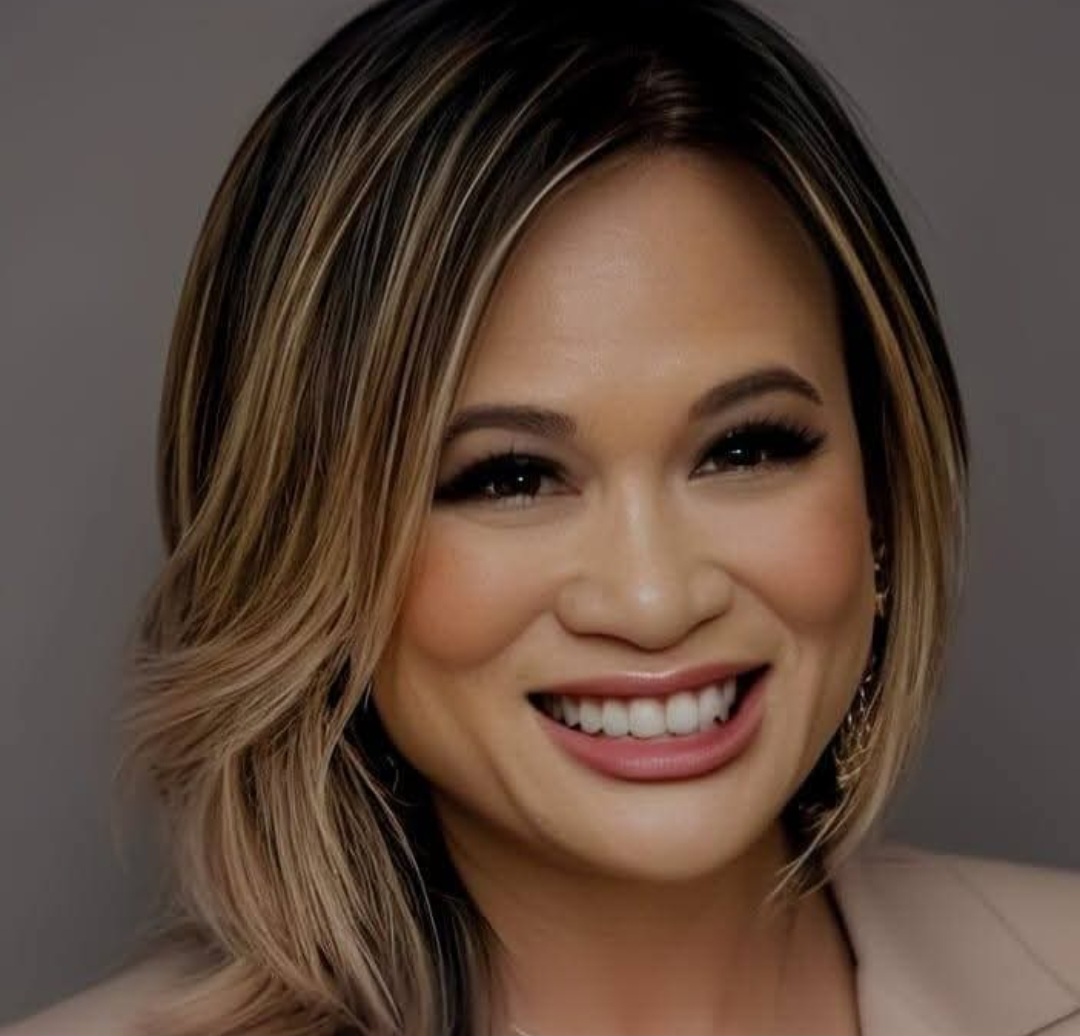
TAAF has partnered with BetterHelp to support students in our TALA (TAAF Thriving AANHPI Leadership Accelerator) program. As part of the wellness resources we offer them, TALA students can access BetterHelp online therapy at no cost. We spoke to Rebekah Wolff, a BetterHelp Ambassador, about the challenges faced by college students today, including issues specific to the AAPI community.
What are some common mental health challenges that college students may experience?
With the college students I primarily work with, it’s a lot of stress management. Balancing an academic with a personal life—relationships, identity, career. Social media really plays a role in how people compare themselves to others. So a lot of self-esteem and self-worth issues depending on what they're looking at on social media. And social media addictions, of course—managing their time spent on the phone.
Could you speak specifically to working with students from the AAPI community?
I'm in Wisconsin. Wisconsin being majority Caucasian, depending on the college it can be really tough feeling like a minority a lot of the time. And in terms of identity, pushing their own self-boundaries. Do they go with what their parents want? Can they also go for what they want? I see a lot of that conflict with the older and younger generation.
I remember a client whose parents expected them to become a doctor, and they wanted to take a break for mental health, but the dad threatened to stop paying for school. It was a lot of “What's wrong with you? Why are you behind? You don't need accommodations. You don't need extensions.” So there's a lot of pressure around academic performance with mental health not really being recognized by some families.
And with online therapy through BetterHelp, have you seen improved accessibility?
Being online I can see a big contrast in accessibility—you just need WiFi and a phone or a computer to get any type of help. What makes BetterHelp stand out is clients have access to groups and classes, and they also can write to their therapist. They can write to me in the middle of the night. I can write them back. They have access to me—not necessarily sessions all the time—but just access. I'm really backing them up with resources like worksheets, YouTube links, or articles. Because the last thing I want to do is have a 50 minute conversation with someone and they get nothing from the session. So I always back it up with homework like, “Hey, you know, it's a little hard dealing with an older generation that doesn't understand you. Here are some tips to talk to your parents.”
Do you think more people are accepting of therapy as something that's valid and helpful?
I think it's more accepted now for the younger generations. I think there's an explosion of reels on TikTok and Instagram that have made a big impact. I get a lot of younger people sending me reels about psychology. A lot of times they'll make therapist jokes and send me a reel through BetterHelp—it’s just part of that ongoing contact which is kind of nice. But I think they're just more open.
Do you have any tips or strategies for college age students, for handling stress or managing anxiety?
I'm a big proponent of self-care. Sometimes we have to put our mental health over our academics, to be able to function and sustain. I think sometimes students can ask for accommodations. I always encourage them if they really, truly are struggling to talk to the professors…I think once you put your human experience on it, most professors understand the amount of pressure it takes to perform. And then I try to find ways to support them. I had an AAPI client who really struggled with ADHD, and she was going for an art degree. And I remember one of her sessions was to go over her schedule, and I found out she was a gamer. So we were trying to balance her gaming time with her college schedule, and also finding time for sleep. I look at the three pillars of health: sleep, diet, and exercise. Are you getting enough self-care? So we went over her schedule, until we could find one that would fit for her. And obviously, I always say plan A is an ideal. We're gonna have plan B and plan C.
I talk a lot about ambiguous grief, because it's not always accepted in today's society. There's ambiguous grief being a college student. You could be away from home. For me, I'm a transracial adoptee. I'm Filipino and I was adopted by a Caucasian family. I grew up in a very white landscape, and I still am in that landscape. So for me, my sense of wanting to belong was really strong because I felt like I was already standing out as a minority, and not really seeing any Filipinos in my area. I use my background to try to help my clients. I went to UW Oshkosh back in the early 2000s, and I was part of an Asian American club there. So depending on the student or the client, I usually ask if there’s a support group, or an online group. I always try to have them seek out their ecosystem first. Because to do well in life, you’ve got to have a really good support system around you. We need to be supported by other people.
To learn more about AAPI youth mental health, you can download TAAF’s Beyond the Surface research report. You can also find a list of community resources from our 2024 Youth Mental Health Summit.