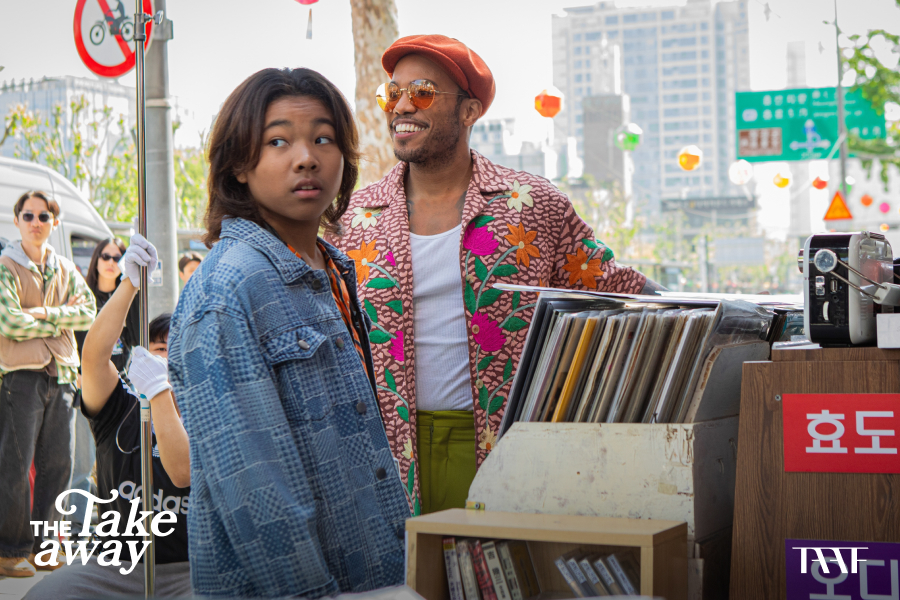

BTS: The Return courtesy of Netflix
Balancing Korean Identity and Global Superstardom in ‘BTS: The Return’
An Interview with Director Bao Nguyen
.png)
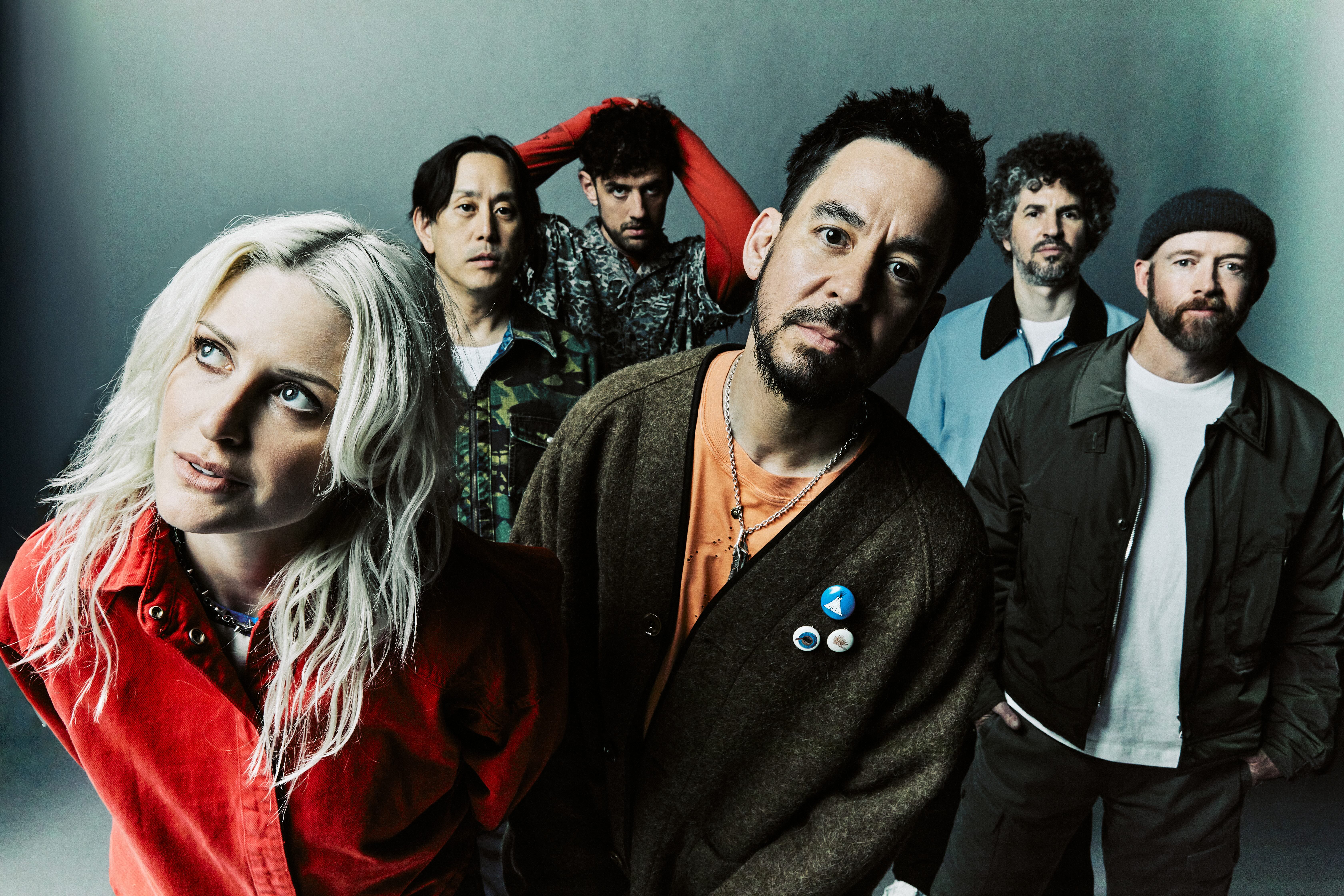
BTS: The Return, a new documentary streaming on Netflix, offers an intimate look at the band as they embark on the recording of their new album, Arirang. The film chronicles their time in LA as they reconnect and start recording, and then follows the band back to Korea as they finish the album.
An underlying theme of the documentary is the fine balance BTS have to find being both Korean and global superstars, figuring out how to stay true to themselves and their audience as they incorporate a sample of the traditional Korean folk song, “Arirang,” into one of the new tracks. We spoke to director Bao Nguyen (The Stringer, The Greatest Night in Pop) about his approach to telling the story, and how BTS are often representative of two cultures in a way that Asian Americans can relate.
Could you tell us a little bit about how you got involved with the project?
Yeah, it's a funny story, because I went to one of their concerts at SoFi Stadium back in 2021 as part of their farewell tour before they went on hiatus. And when they were doing one of their long conversations with ARMY and the crowd, I could see the emotional connection that they all had to their fans and vice versa. And it reminded me almost of The Odyssey, that Homeric myth—BTS being these heroes that are leaving on a long journey in the military and ARMY being like Penelope…waiting patiently and longing for their heroes to return. So I thought that's such an interesting framework for a story and a film. I told HYBE (the label), and they thought about it, but filming members in the military is a very hard thing to do, just for security reasons. A few years later, HYBE reached out to me. “The members are about to get out of military service. We remember you pitching us this story before, would you be interested in documenting their return?” And so, I jumped at that opportunity.
I love how it captures the moment that they're in right now rather than looking at who they were before. So is that connected to how you wanted to frame them as the returning heroes?
Exactly. I don't like to call any of my films definitive, because I want to allow other filmmakers and storytellers the opportunity to share their own perspective. And this film is unique in that, a lot of music films follow an artist at the beginning of the career or at the end of the career, and this is really in the middle. Just having this narrow frame makes for a very rich story, makes for a very intimate story, and that's what I was trying to do from the first day.
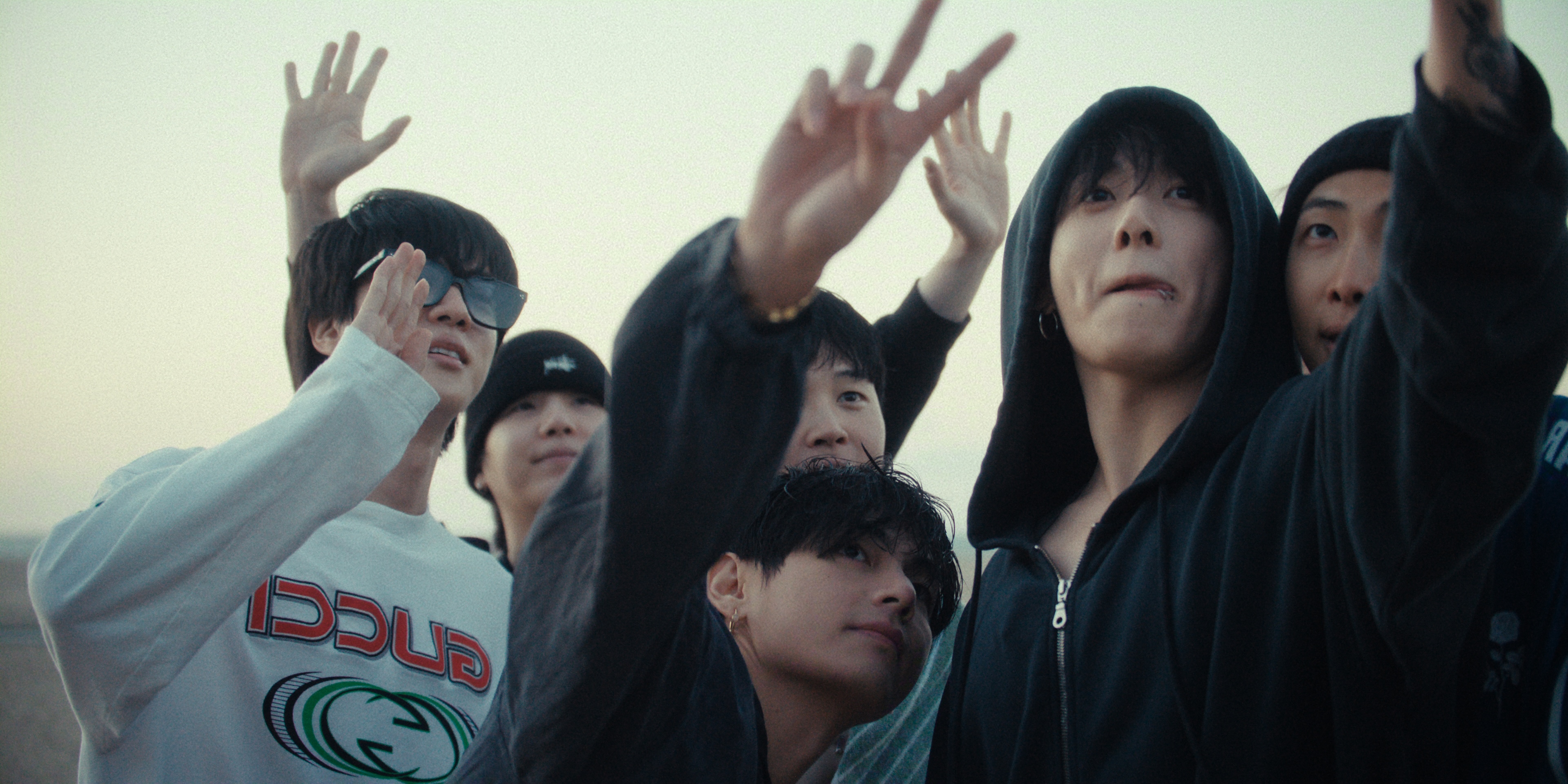
I was surprised to see all the camcorder footage—you have the band using the camcorders themselves. Could you tell us a little bit about that?
I knew that we weren't going to have access to them 24/7. We had specific times that we could shoot with them. But I wanted them to document their time in LA on their own as much as possible to get their own POV on the comeback. I decided instead of just having them record on their phones…there's something textural that I love about home video footage. It feels like your mom or dad shooting with the old VHS camcorder, and it feels like a family vacation in many ways. So just adding that layer of intimacy and rawness was important to me.
What does telling this story mean to you in terms of representation of Asian pop culture in America and how far it's come?
I think what's fascinating to me, and what relates back to me as an Asian American, is how even the biggest group in the world are sort of swimming—no pun intended—between two identities, or two responsibilities. They're Korean, from Korea, but they also have to represent Korea to the world, and they kind of cross between being Korean icons and global icons. Do they have to give up a bit of that Korean identity to become part of the global identity? And what I've learned from witnessing them, like I witness a lot of people within our community is, “No.”
Own the idea of being who you are unapologetically. By combining those two worlds into one, that's what makes you who you are. It was really empowering to see how they handled that when they're talking about how “Arirang” is going to be represented in the album thematically. And they're like, “Whatever we do becomes our version of ‘Arirang.’ We don't have to shape it to someone else's idea.” By creating it and by having that theme, it becomes something new, which I think is very reflective of us as Asian Americans.

Was there anything during the filming that really surprised you either about the band themselves or what the process looked like for how they created their songs for the album?
I think coming into it, for a casual viewer, people might think that they're sort of a monolith, that they're just completely the sum of their parts rather than being individuals. So to be able to see how different they are and how different their opinions could be, was really eye-opening to me and refreshing, because they're all so talented in their own individual ways.
They already have the burden of trying to satisfy their fans in terms of making great music. They're the biggest group in the world and they have to basically make hits and make songs that people like. It's like a baseline for them. But at the same time, they are also these cultural ambassadors of Korea. They represent Korea to the world. And so, these two challenges, how do they manage that? And I think they really manage it quite beautifully and poignantly, and you see that in the film.
BTS: The Return is streaming now on Netflix.