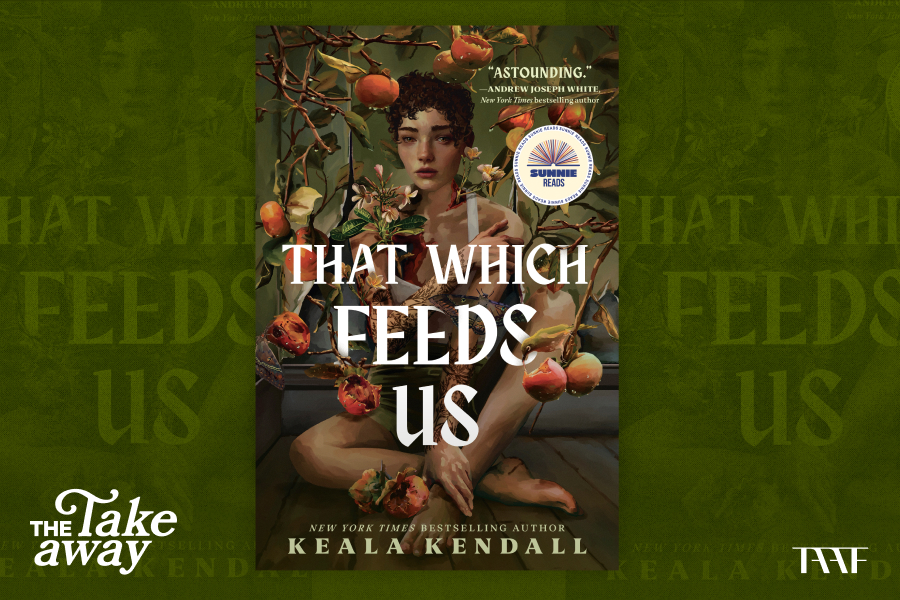

How Plantation Colonialism in Hawai'i Inspired a Gothic Horror: A Conversation with Keala Kendall
.png)
Hapa Native Hawaiian author Keala Kendall didn’t originally set out to write a YA horror novel.
When Kendall started writing her story about a Native Hawaiian teen named Lehua, she intended it to be about Lehua’s experience living in diaspora, to reflect Kendall’s own feelings of homesickness living in Los Angeles. “It wasn't necessarily that I was unhappy, but I was looking for this bridge back home,” Kendall explained. “When I was trying to think about what she would see and how she would absorb her homeland, I realized it was a horror story the more I wrote.” In the novel, Lehua travels to Hawaiʻi for the first time to track down her twin sister, Ohia, who has gone missing. What Lehua discovers is a nightmarish version of paradise, and she has only a limited amount of time to try and find Ohia—if she’s even alive.
As I wrote that story, I realized how many resorts sit on former plantation lands. And that connection, the luxury built on exploitation, just felt inherently haunting to me.
-Keala Kendall
Colonialism as horror
Kendall explained that being born and raised in Hawaiʻi, it’s difficult to separate plantation capitalism from Hawaiʻi’s history. “As I wrote that story, I realized how many resorts sit on former plantation lands. And that connection, the luxury built on exploitation, just felt inherently haunting to me. And that nostalgia she has for this homeland she's never been to, I felt was almost parallel to the nostalgia [felt by] people who want to visit, or who have visited, this fantasy land.”
At its heart, the novel examines the feeling of being an outsider in your own home—and a home that is quite literally rooted in ugly colonial and historical truths. As Lehua arrives at the exclusive and mysterious Kōpaʻa resort, she quickly discovers her place in the racial hierarchy was determined over a century ago, and she begins to uncover the dark legacy of the resort’s plantation. The search for her sister leads to further questions: Why are the cane fields off limits? And why are young workers disappearing?
Weaving in folklore and mythology
Using the concept of history as a ghost story, Kendall deftly weaves in spirits from the Native Hawaiian folklore and myths that she grew up with. Her ghosts are corporeal, meaning they can interact with our physical world—they eat, they sleep, and they awaken when you’re nearby. Kendall also alludes to her Japanese background, and the belief that the Obake are all around us. One specific myth that Kendall draws upon in That Which Feeds Us is the Native Hawaiian myth of the Night Marchers.
“The ghost story that's most commonly associated with Hawaii is that there are these warriors who will march all night from sea to mountain or sea to sea across the islands going through old battlefields. And I thought, how would I take that and apply it to my island with its ghosts? And that's why a lot of them are caught in this sort of amnesiac loop because of this. And I thought it was a good metaphor for colonial amnesia.”
Tourism and diaspora
In addition to enjoying a creepy gothic horror, Kendall hopes that readers will gain an understanding of the complexities of Hawaiian tourism and the role we all play when we visit. “I'm not necessarily saying, ‘Don't come to Hawaiʻi.’ Unfortunately, the way Hawaiʻi is right now, the economy does rely a lot on tourism. But always remember that it's someone's home, wherever you go.”
For Native Hawaiians, lack of opportunity and affordability has driven many out of the state. There are few jobs that pay enough to match the cost of living. Kendall explains that she went to school on the continent and stayed for the opportunities available. “The vast majority of my family lives in diaspora, as do my friends. A lot of people my age. It's really unfortunate with the multigenerational households in Hawaiʻi—it's just sad to see those split off.”
“It's not really sustainable to live there. The food economy that they used to have with everything being grown there, that's no longer the case.” Hawaiʻi imports about 90% of its food, and it’s estimated that if the ships stopped coming to Hawaiʻi, there would only be enough food stocks to support Hawaii’s local population and visitors for five to seven days. Kendall pointed out that there are groups like ‘Āina Momona that are trying to change that. “One of their goals is to restore fish ponds and native food practices. So that's a positive thing.”
Building community in the publishing industry
Kendall is also the co-founder of Pacific Islanders in Publishing, along with her friends and fellow Pacific Islander authors Keilani Natane and Manuia Heinrich. The idea sprung from a conversation in 2023, as they reflected on what they say every May for AAPI Heritage Month: Please don't forget the Pacific Islanders. If you don't have any Pacific Islanders, don't call it an AAPI list.
The goal for the organization is—I feel like it's my kuleana, my responsibility—to build a sustainable ecosystem where Pacific Islander creators own their stories from pitch to publication.
-Keala Kendall
Initially launched as a database of Pacific Islander authors, today the organization’s goal is to serve both as a resource for people who aren't familiar with the Pacific Islander community, and to amplify those voices that are already out there so they're not seen as niche.
“I don't want to be the only Native Hawaiian author on the New York Times children's bestseller list. Right now I am. Because a door isn't truly open if you're the only one walking through it. And so now the goal for the organization is—I feel like it's my kuleana, my responsibility—to build a sustainable ecosystem where Pacific Islander creators own their stories from pitch to publication."
That Which Feeds Us is available at all your favorite booksellers. A second Hawaiian Gothic novel is already in the works.
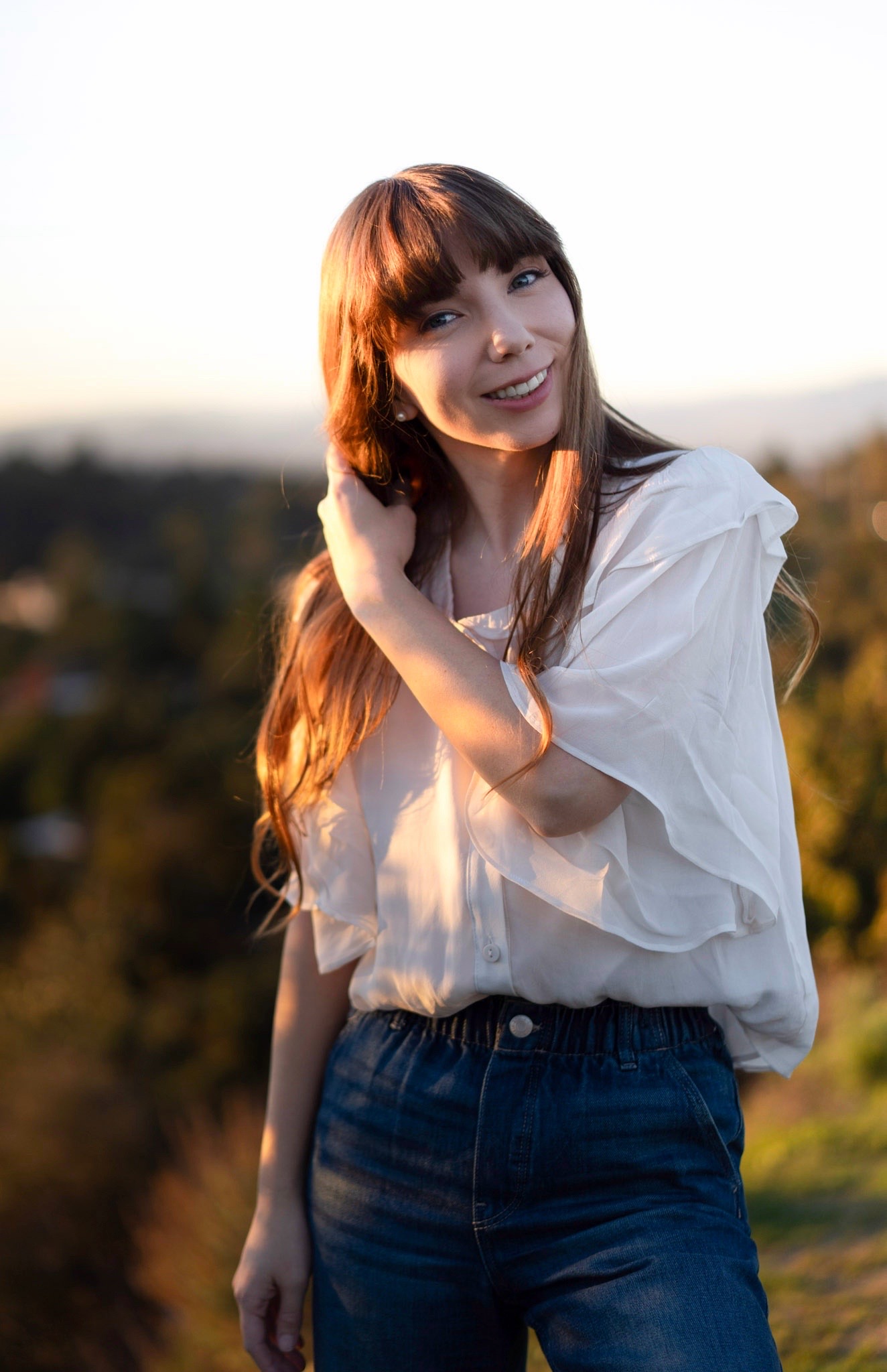
To learn more about Keala Kendall, visit her website or follow @kealakendall on Instagram and TikTok.