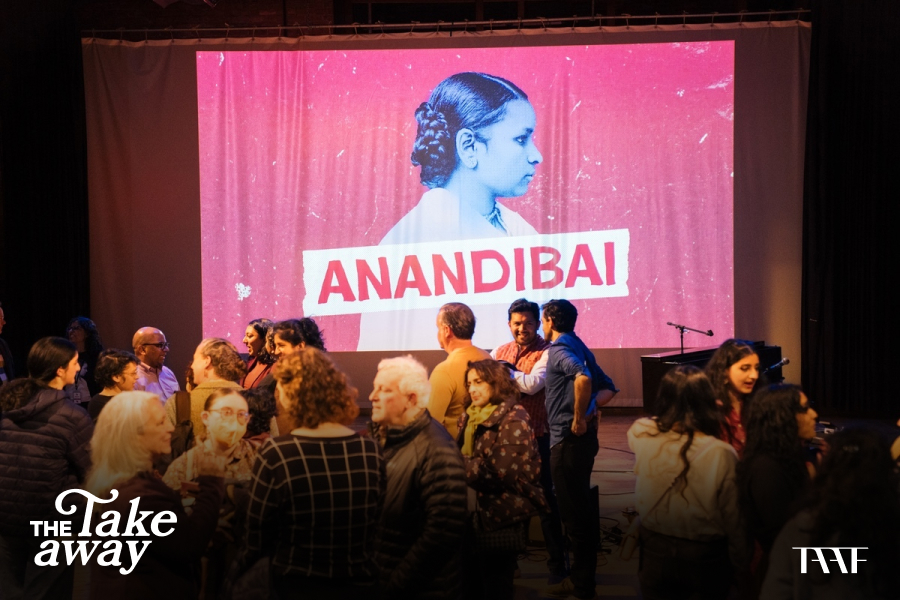

SAADA's "Anandibai: A Night of Music for a Philadelphia Icon" concert held on March 27, 2026
Preserving South Asian American History, One Story at a Time
.png)
The contributions and legacies of South Asian American communities have often been left out of school curriculums and museums, but one organization has been on a mission to bring those stories to the forefront.
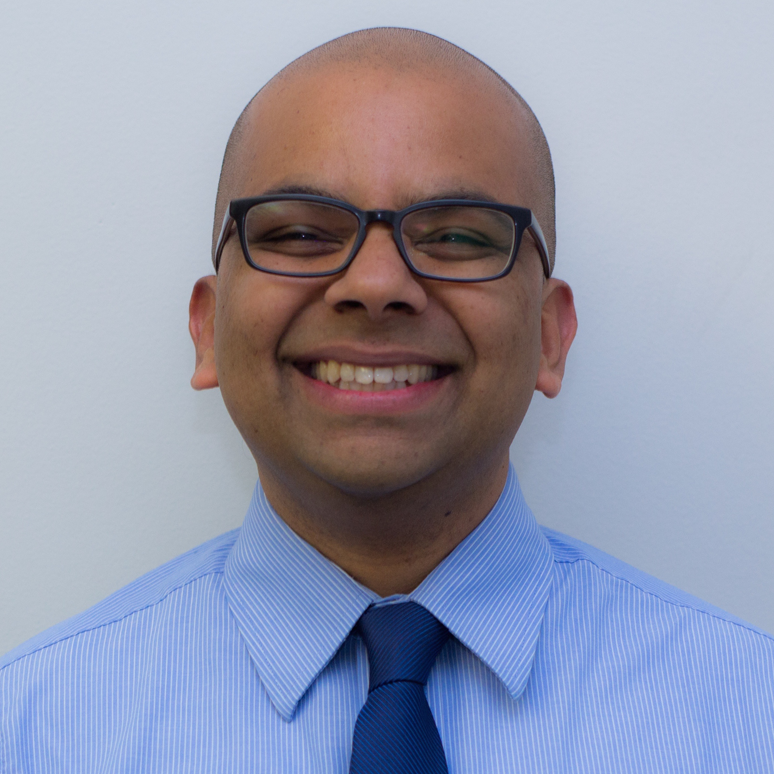
For Samip Mallick, the Co-founder and Executive Director of the South Asian American Digital Archive (SAADA), growing up without resources about South Asian American history led him on a continual search for his community story. It wasn’t until after college that Mallick began to learn about the long and rich history of South Asian immigration to the United States. That discovery was the spark that led to the founding of SAADA 18 years ago: “It is through learning about that history that I began to feel more grounded, and to feel a deeper sense of belonging in this country that I was born and brought up in. What I found was really a desire to share that same sense of connection and belonging with other members of the South Asian American community. What SAADA does is ensure that members of our community and the public know about the important role that South Asians have had in making this country what it is today.”
Preserving stories from the community
SAADA is now the leading source of information about South Asian American history, and many of their resources have been collected via oral history and community storytelling. With the history of South Asian American communities not well-represented in museums and cultural institutions, SAADA focused on building a digital archive that includes thousands of oral history interviews, photographs, newspaper clippings, community publications, letters, and more. As Mallick explains, “All those materials come from members of the communities themselves. They’re often materials that are sitting in a community member's basement, or their attic, and that otherwise wouldn't be seen by the public, if not for the partnership with SAADA. And even more than that, so many of our stories as a community are not in any kind of written or documentary form. They're stories that are passed down from one generation to the other to the next. And so, through oral histories and other kinds of storytelling projects, we work to preserve the memories and stories that make our community what it is today.”
Empowering young people to become historians
To ensure that communities continue to record their histories, SAADA is empowering the next generation. One way that SAADA does this is through TAAF-funded education projects like the “History is Yours” Teacher Institutes. These programs equip Philadelphia-based educators with the same tools and methodologies that SAADA uses, Mallick says, “So that teachers can help their students be not just consumers of history, but creators of history, and architects of history. Our Institute focused on training educators on three components that are all central to SAADA's work. One is on the methodologies behind community archives. The second is South Asian American history, and the content about our community's history, and third is an oral history methodology.” The goal is for educators to be able to support their students in the creation of history. And while many of the educators who attended serve large South Asian or Asian American student populations, the tools that teachers are equipped with could be used to connect with any student who doesn't see their own story reflected in the classroom content.
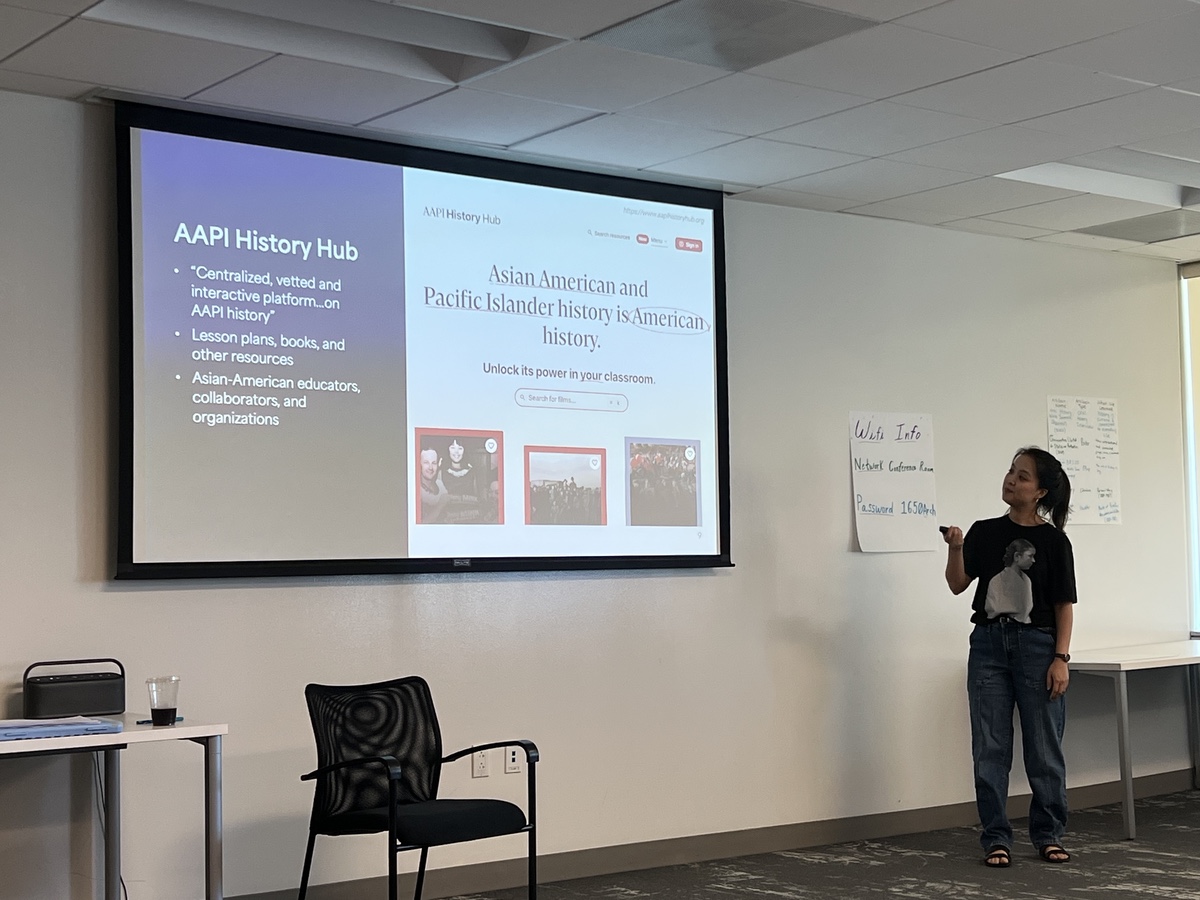
The results have been overwhelmingly positive. Some students who have participated in the institutes have conducted oral histories within their own families or communities. Others have helped create local histories of the neighborhoods where their schools are based. One educator shared that her students have begun to see this country in a whole new light, because they previously only thought of the United States in terms of what the government does. But now, through telling history from the ground up, students understand that the country is its people, and they have reimagined their role in making this country what it is.
Providing resources to preserve our stories
All the stories that SAADA collects are freely available on their website. Not only can the public access the materials, but they can also submit their own stories. Through their “First Days” project, SAADA collects and shares stories from immigrants from all over the world about their very first days in the United States. Visitors to the site can listen to more than 800 stories, or use the form on the site to submit their own story.
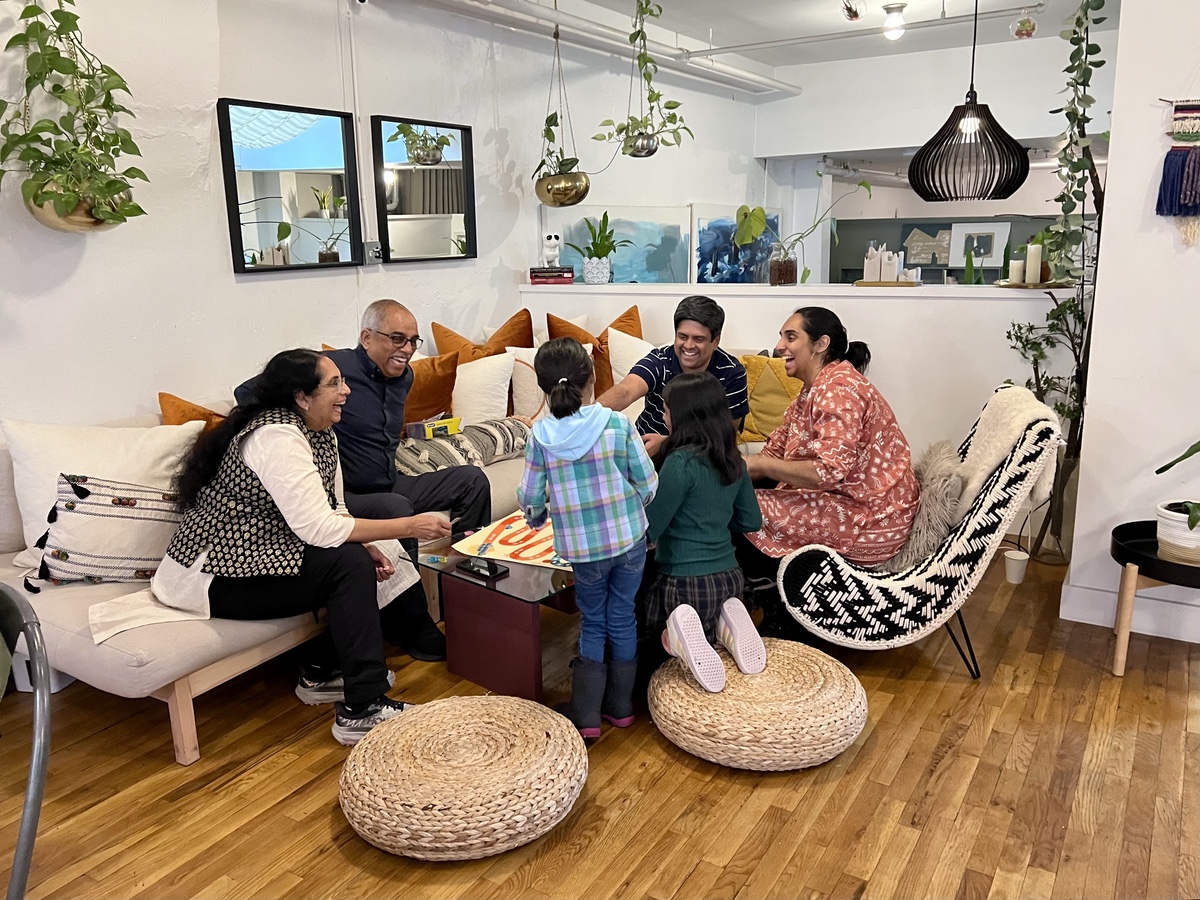
Mallick also shared an exciting new project from SAADA—a multigenerational family board game called Memory Bucket, for ages 8 and up. “One of the requests that we get most often from members of our community is people really wanting to know their own family story, but not really knowing how to get started. What questions do you ask? How do you go about doing that? And so it's a game that…makes this process of collecting family stories so much more fun, exciting, and less weighty than it often can be.” Mallick’s 10-year-old daughter played a part in helping create the game, and he hopes that young people will enjoy hearing stories from parents, grandparents, or other relatives. The beauty of community storytelling is that with the right tools, we can all play a part.
TAAF is proud to support SAADA’s work in preserving the histories of South Asian American communities. To learn more about SAADA, you can visit their website and follow them on Instagram.