
Uncovering the AAPI Innovators Who Influenced American Culture and Changed History
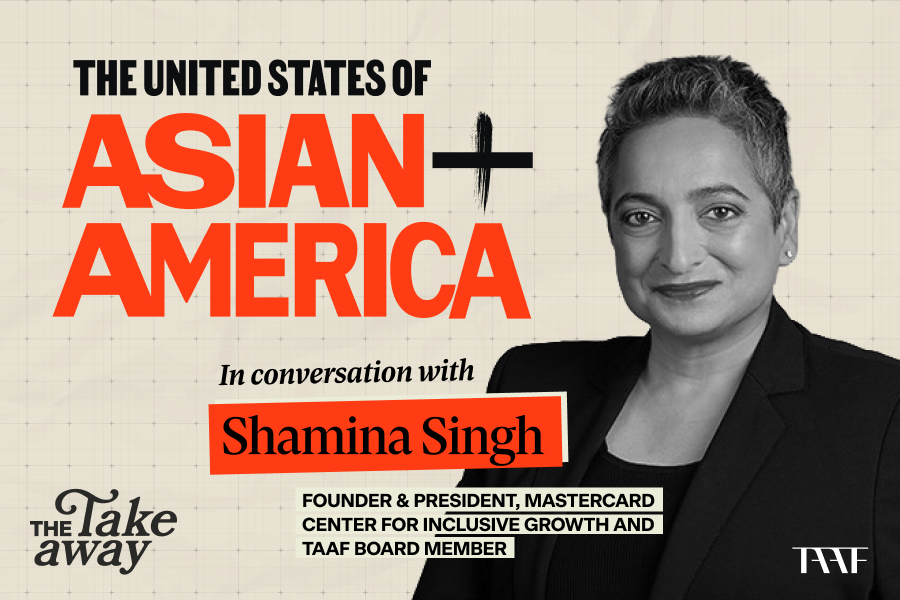
Shamina Singh on "The United States of Asian+America"
.png)
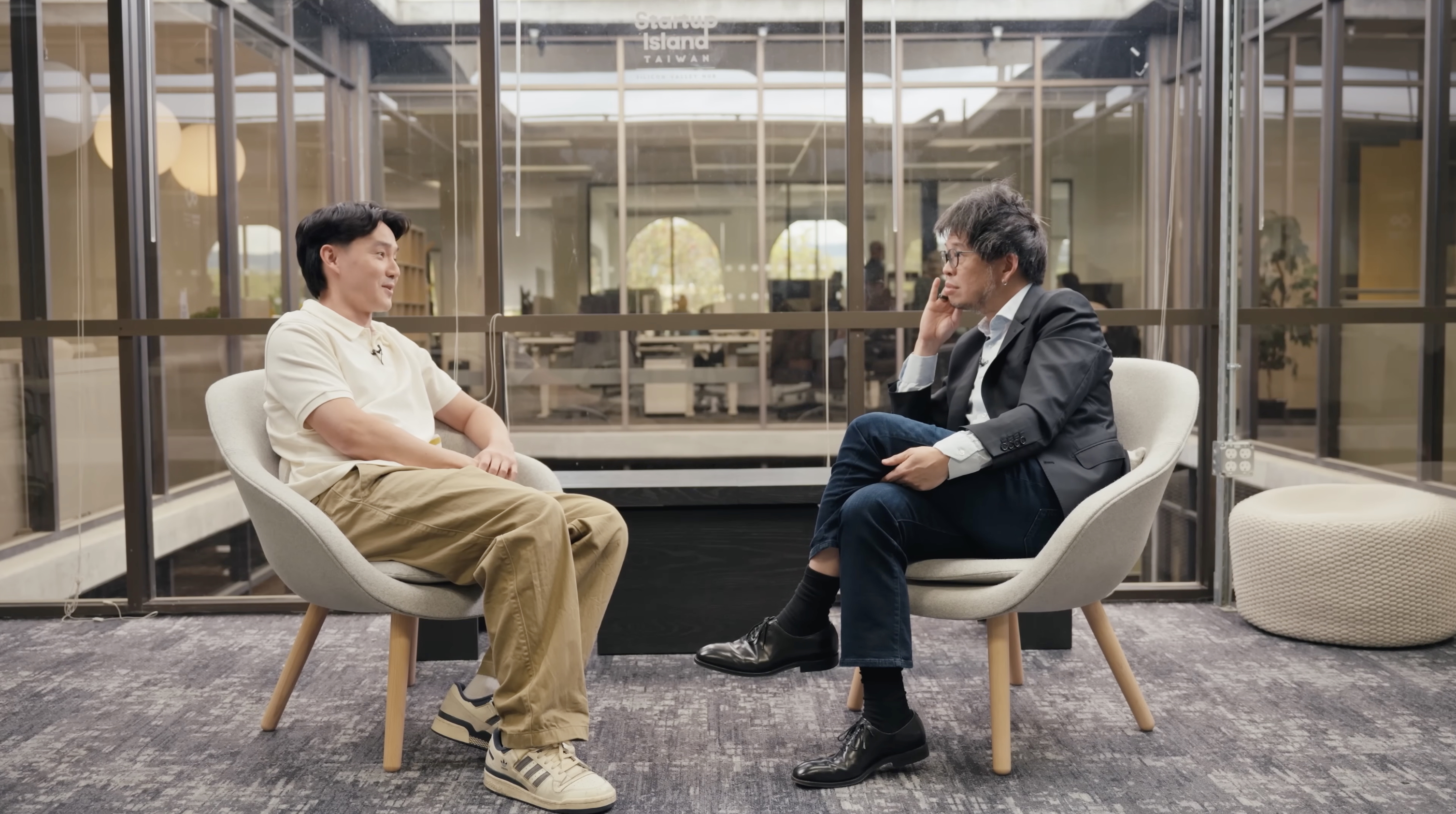
This past June, in advance of America’s 250th, TAAF and Wong Fu Productions launched The United States of Asian+America series on YouTube. The series features often overlooked AAPI innovators who have shaped our nation’s story.
From YouTube co-founder Steve Chen and USB inventor Ajay Bhatt to music executive Sophia Chang, NBA champion Jeremy Lin, and culinary pioneer Martin Yan, we’re sharing the untold stories of the AAPI firsts, inventors, and pioneers behind America’s biggest industries and cultural shifts. The series expands on TAAF’s Asian+American campaign, which launched in 2025 to foster dialogue and pride around the duality of being both Asian and American. For a deeper dive into why a series like The United States of Asian+America has been a long time coming, we chatted with Shamina Singh, Founder & President of the Mastercard Center for Inclusive Growth and TAAF Board Member.
Why is it so important that we share our community's impact across cultures, industries, and geography?
The series is important because it highlights the fact that Asian Americans, Pacific Islanders, and Native Hawaiians have been part of the fabric of the United States of America since even before its inception. And the ways that it cuts across the experiences—we see stories highlighted from technology leaders, business leaders, community leaders, artistic and culture creators. It provides a platform that says that our community has been here for a long time, will be here for a long time, and is not something that is separate from the United States of America, but is something that actually is integral to the creation, development, and success of the United States of America.
You led the White House Initiative on Asian Americans and Pacific Islanders during the Clinton presidency, which put out a report describing AAPIs as “missing in history.” So now we're here in 2026, and this is still a problem. What work do you think needs to be done to ensure our stories are brought to the forefront of American history?
For context, President Clinton signed the first executive order related to Asian Americans and Pacific Islanders since Japanese internment. So you can see the country has a checkered history when it comes to engaging with Asian Americans. I think that executive order was the first time that a sitting president said, "This community matters to this country. This community is the fabric of this country, and we have to ensure that we unlock the potential and productivity of this community as part of democracy and as part of the history of our country." So that was a very important milestone in the history of our evolution in the United States. And I was proud to be the first Executive Director of that office. And we did a lot to ensure that we took an inventory of what current programs existed, what kinds of resources were going towards the community, and then really sought to start to fill gaps with commission members who represented diverse parts of the segments of our community, but also federal initiatives.
Democracy requires engagement, participation, campaigns, and initiatives like The United States of Asian+America to provide the infrastructure and the platform for all of us to engage in the shaping of what we want this country to be. –Shamina Singh
One of the major things that I'd highlighted was that indeed our community has been missing in history…but I think that the opportunities that we have to lift up the experience—good, bad, and indifferent—is part and parcel of the amazing parts about this country, the challenging parts about this country, but also the resilience of this country to constantly reinvent itself. Much like the Constitution was written as a living document, much like democracy is something that we all understand is not a passive sport. Democracy requires engagement, participation, campaigns, and initiatives like The United States of Asian+America to provide the infrastructure and the platform for all of us to engage in the shaping of what we want this country to be. And that's really, really important.
Do you have any personal favorite stories that you're excited to see shared in the series?
I'm looking forward to the conversation between Jerry Yang and Srinija Srinavasan. Of course, Jerry is on the TAAF board, but is such a critical key leader in the development of technology and the internet in this country, but around the world. And Srinija was his first editor of the internet. I mean, we'd never had that before. So hearing the story of how actually they had to organize information that ultimately became the internet, it's almost mind-blowing. And so I'm really looking forward to that. I've enjoyed listening to the stories that have been released and featured so far, and really look forward to all of them. I think it's just a fantastic series.
Stream The United States of Asian+America for free at youtube.com/@taaforg, and look out for new episodes every two weeks! Share the series on social media and tag us at @taaforg and @wongfupro.